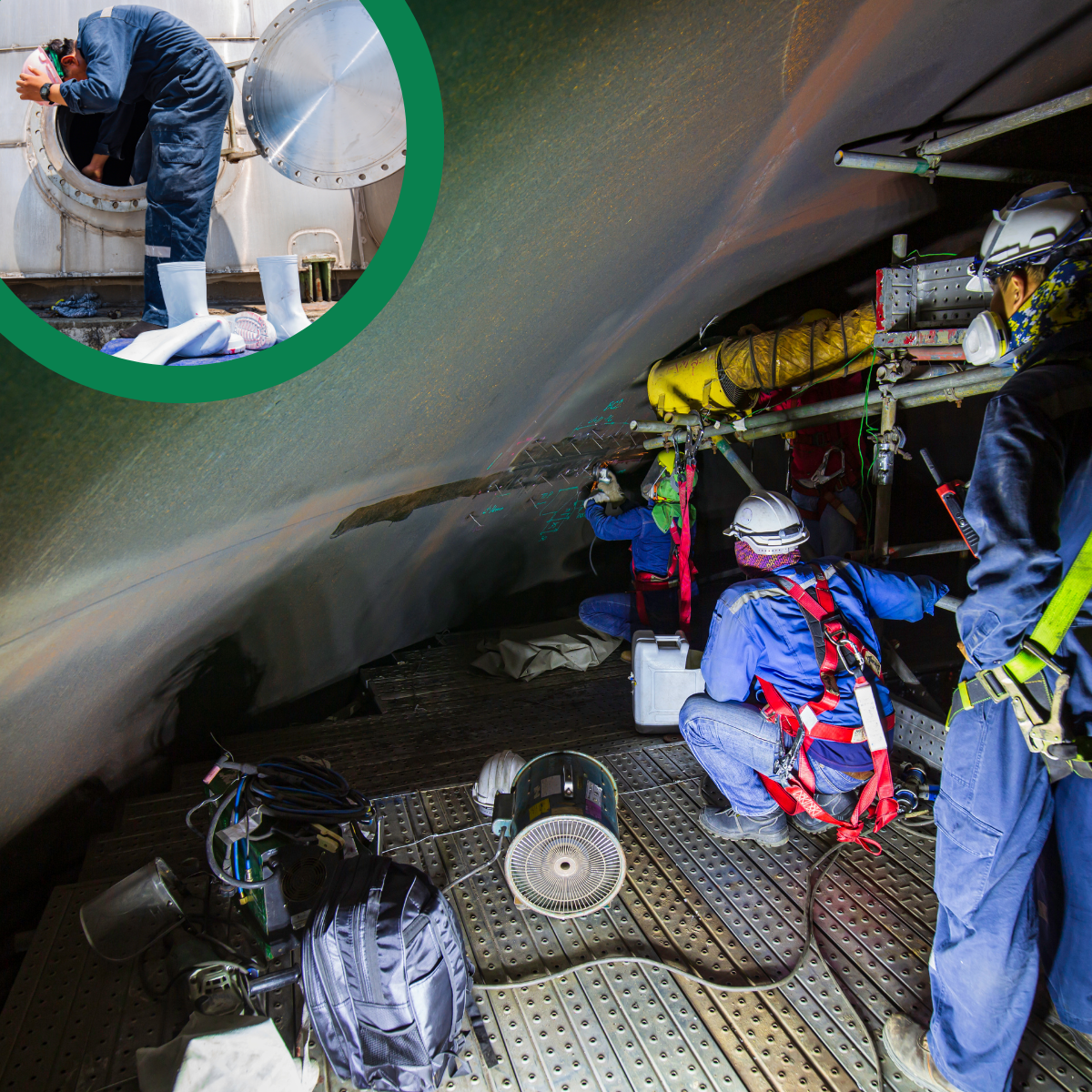
Confined Space
At DNT Safety Training, we offer comprehensive confined space training programs designed to meet the requirements of Ontario Regulation 632/05. Whether you’re looking for general awareness, entry-level instruction, or advanced rescue techniques, we’ve got the right course for your team. As an Ottawa-based safety training provider, we deliver all confined space programs at our local Ottawa training facility. We also serve businesses throughout the Ottawa region, making us a trusted choice for confined space training in Ottawa.
Confined Space Awareness
1 Day Course
This introductory course is designed for workers who may work around confined spaces but are not required to enter them. Participants will learn to identify confined spaces, understand the hazards associated with them, and recognize the importance of controls and safe work practices. Perfect for supervisors, safety reps, or anyone needing a basic understanding of confined space hazards.
Confined Space Entry
1 Day Course
This hands-on training is intended for workers who are required to enter confined spaces as part of their job. It covers hazard recognition, atmospheric testing, ventilation, entry permits, personal protective equipment (PPE), and emergency procedures. Participants will gain the knowledge and skills to enter confined spaces safely and in compliance with Ontario Regulation 632/05.
Confined Space Rescue
1 Day Course
This advanced session is designed for workers who are part of a designated rescue team. It focuses on planning and executing confined space rescues, using rescue equipment, and performing simulated rescue scenarios. Participants will practice rescue techniques under realistic conditions to prepare for potential emergencies. This training meets the regulatory requirement for onsite rescue procedures where applicable.
-
Confined Space training helps workers understand the hazards, procedures, and safety requirements associated with entering and working in confined spaces. The training is designed to help workers recognize confined space hazards, follow safe entry procedures, and better understand their responsibilities when working in or around confined spaces.
Confined spaces may include areas such as:
tanks,
vaults,
silos,
pits,
tunnels,
manholes,
and other enclosed or partially enclosed spaces where hazards may exist.
Confined Space training commonly covers:
hazard recognition,
atmospheric hazards,
entry procedures,
ventilation,
lockout and isolation,
emergency procedures,
communication,
and worker responsibilities.
The course may include both theoretical instruction and practical discussions designed to help workers apply confined space safety principles in real workplace environments.
-
Confined Space training may be beneficial for workers, supervisors, attendants, and rescue personnel who work in or around confined spaces.
Industries and workplaces that commonly require confined space awareness or entry training may include:
construction,
manufacturing,
industrial facilities,
utilities,
municipalities,
maintenance operations,
water treatment facilities,
and commercial operations.
Workers involved in confined space entry, supervision, atmospheric testing, or rescue planning may require appropriate training related to confined space hazards and safe work procedures.
-
Confined spaces may contain a variety of serious workplace hazards that can quickly become dangerous without proper planning, hazard controls, and safe work procedures.
Common confined space hazards may include:
oxygen deficiency or oxygen enrichment
toxic gases or vapours
flammable or explosive atmospheres
engulfment hazards
mechanical or electrical hazards
poor ventilation
heat stress
restricted movement or limited visibility
Because confined space hazards can change quickly, proper hazard assessments, atmospheric testing, communication, and emergency planning are important parts of confined space safety.
-
Atmospheric testing is the process of monitoring the air inside a confined space to help identify hazardous conditions before and during entry.
Atmospheric testing may be used to detect:
oxygen levels,
flammable gases,
toxic gases,
and other potentially dangerous airborne hazards.
Proper atmospheric testing helps workers determine whether a confined space is safe to enter and whether additional hazard controls or ventilation may be required.
Confined Space training may include discussions related to:
gas monitoring equipment,
testing procedures,
continuous monitoring,
and atmospheric hazard awareness.
-
In Ontario, a confined space is generally defined as a fully or partially enclosed space that:
is not designed for continuous human occupancy,
has limited or restricted entry or exit,
and may become hazardous to workers because of its atmosphere, contents, design, configuration, or the work being performed inside the space.
Confined space requirements in Ontario are governed by Ontario Regulation 632/05 under the Occupational Health and Safety Act (OHSA), which outlines requirements related to hazard assessments, entry procedures, worker training, atmospheric testing, communication, and emergency planning.
Examples of confined spaces may include:
storage tanks,
vessels,
pits,
tunnels,
sewers,
boilers,
crawl spaces,
silos,
and underground utility vaults.
Confined spaces may contain hazards such as:
oxygen deficiency or oxygen enrichment,
toxic gases or vapours,
flammable or explosive atmospheres,
engulfment hazards,
mechanical or electrical hazards,
poor ventilation,
or restricted movement.
Employers are responsible for assessing workplace spaces, identifying confined space hazards, and implementing appropriate safety procedures and worker training to help protect workers entering or working around confined spaces.
-
At DNT Safety Training, we believe Confined Space training should focus on practical workplace safety, hazard awareness, and real-world application — not just regulations and theory alone.
Our training is designed to help workers better understand:
confined space hazards,
safe entry procedures,
atmospheric hazards,
communication,
emergency planning,
and workplace responsibilities related to confined space operations.
Why workers and employers across Ottawa and Ontario choose DNT Safety Training:
Practical and engaging confined space training
Experienced and approachable instructors
Training focused on real workplace hazards and procedures
Strong emphasis on hazard recognition and worker safety
Scenario-based learning and practical workplace discussions
Confined Space training available across Ottawa and throughout Ontario
Training designed to be practical, informative, and easy to follow
Focus on communication, hazard awareness, and safe work procedures
Whether you are a worker, supervisor, attendant, or employer looking to strengthen confined space safety knowledge within your workplace, DNT Safety Training is committed to providing high-quality safety training that supports safer workplaces across Ottawa and Ontario.